
The Work Behind the Practice
Long Range Brand Group is new. The practice behind it is not. Decades of agency work across communications, websites, public relations, campaigns, audience building, technical products, constrained markets, and businesses of very different sizes shaped the way we work today.
There was already a practice.
Michelle Harris founded and led Professional Marketing Solutions from 1998 through 2016. The work crossed advertising, public relations, promotions, websites, digital communication, and integrated campaigns.
What mattered was never the label on the assignment. It was whether the pieces worked together. A message had to survive the channel carrying it. A website had to support the questions a buyer was actually asking. Public relations had to earn attention without outrunning the facts. Execution had to meet the realities of the business behind it.
That habit of connecting communications to business conditions became the beginning of the practice that Long Range carries forward.
A campaign artifact, not a trophy.
The Gatorland film-book advertisement from 2007 is one surviving example from the Professional Marketing Solutions period. It matters here because it shows the work moving across story, promotion, audience, and a physical medium—not because one artifact can summarize nearly two decades of practice.

The scale changed.
The standard did not.
The practice grew through assignments for organizations of different sizes, with different pressures and different definitions of what successful execution required.
Large organizations teach coordination, process, brand discipline, and how many stakeholders can shape a single decision. Regional and entrepreneurial businesses teach resourcefulness, prioritization, direct accountability, and how closely each marketing choice touches the business itself.
Experience at scale matters. So does knowing what happens when every decision has to carry its weight.
Work that helped shape the practice.
Selected organizations and relationships from the professional work that preceded Long Range Brand Group. Each contributed a different lesson in audience, brand, communication, experience, or execution.
The channels evolved. The buyer remained the point.
Different businesses required different solutions. Public relations mattered when credibility needed to be earned. Direct mail mattered when it was the right route to a defined audience. Websites became more important as buyers expected to research before speaking to anyone. Ecommerce changed how products were evaluated and purchased. Social made communities and creators part of distribution.
Search fragmented discovery. AI is changing it again. The practice adapted not to chase each new platform, but to keep pace with how people find, evaluate, trust, and choose a business.
Credibility
Use public relations, proof, and clear explanation when trust has to precede action.
Owned experience
Build websites, content, and ecommerce around the questions that shape a buying decision.
Discovery
Adapt to search, social, creators, and emerging answer engines without losing the business objective.


Three things kept showing up.
Constrained communication
Markets where claims, channels, platforms, and language require judgment—not generic promotion.
Channel complexity
Businesses where manufacturers, dealers, distributors, media, and customers do not move through one simple path.
Technical consideration
Products buyers evaluate carefully, where education and confidence matter before conversion.
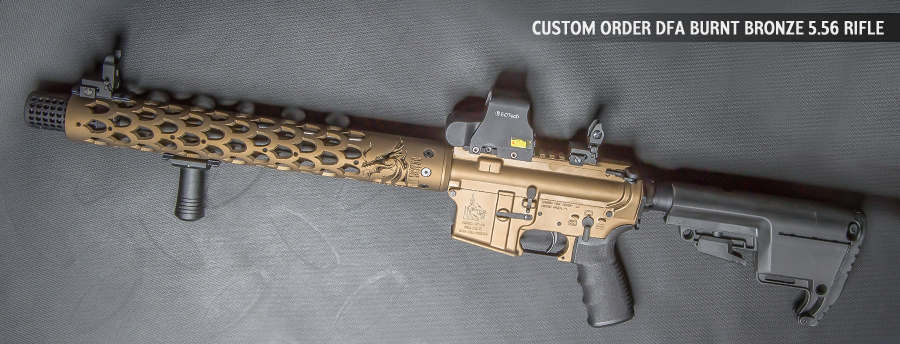
Firearms brought all three conditions together.
It concentrated communications restrictions, dealer and distributor structure, technical products, and high-consideration buying into one market. That made the category more than an interest. It was a focused expression of problems the practice had spent years learning how to solve.
The historical Dragon Fire Armory artifact supports that transition. It is evidence of the work in context—not a case study and not a claim about results.
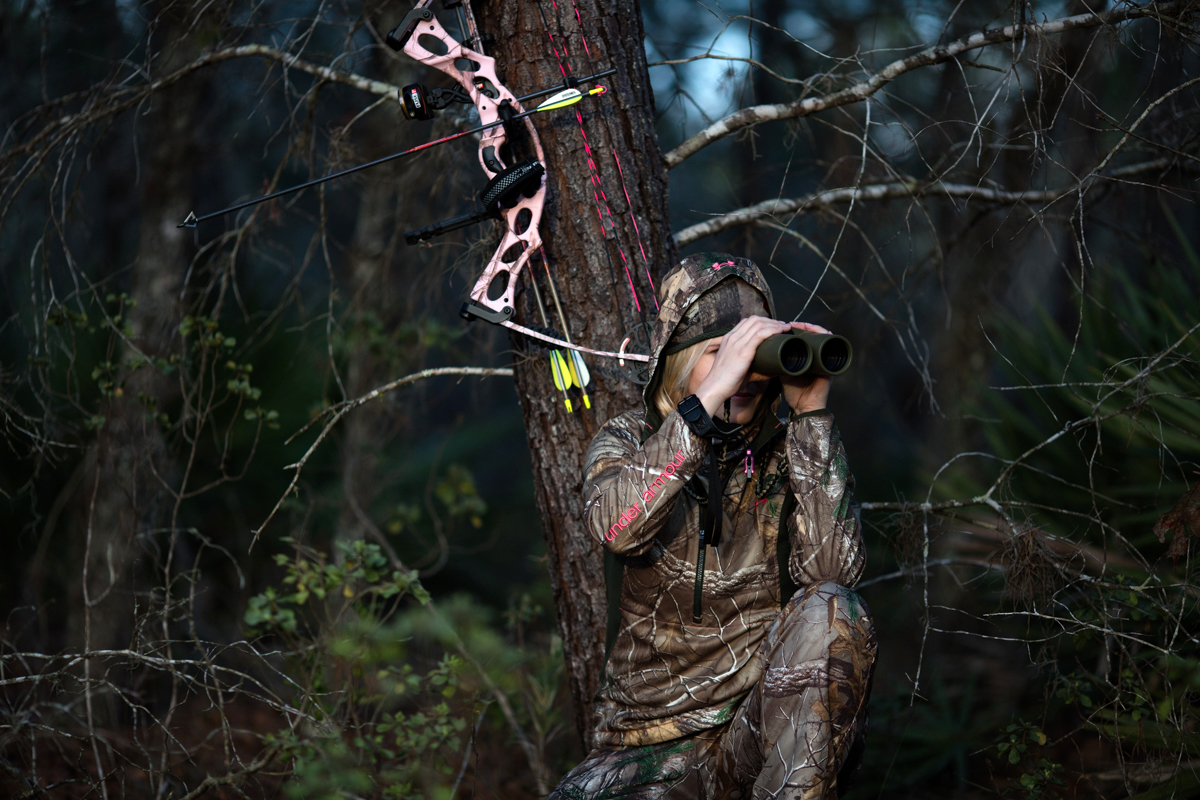
People discover brands through people.
Danielle Harris-Medlock built an Instagram audience of more than 40,000 followers around firearms, outdoor life, and field content.
That earlier founder-career experience sharpened a broader lesson: community, authentic voice, creator credibility, and social content can become part of the buying journey. Attention travels through people as well as platforms.
The history informs LRBG’s approach to audience and creator strategy. It is not a promise of current reach, guaranteed posting, guaranteed promotion, or access to Danielle’s former audience.
The work changed. The operating principles held.
These are not generic agency values added after the fact. They are the habits that survived changes in clients, industries, media, and technology.
Start with the business.
Understand the market, buyer, product, constraints, and operating reality before prescribing marketing.
Connect the system.
Positioning, websites, content, public relations, search, social, and follow-up work better when they reinforce one another.
Explain before asking.
Complex products and high-consideration decisions require clarity and trust before a buyer is ready to act.
Match the channel to the buyer.
Use the medium that fits the decision instead of forcing every business into the newest platform.
Use evidence without inflating it.
Separate visibility from meaningful demand, measure what can be measured, and be precise about what proof supports.
A focused practice, not a recreation of the old agency.
Long Range Brand Group brings accumulated experience into industries where understanding the product matters, trust matters, buyer education matters, channel structure matters, communications restrictions matter, and community matters.
That is why the positioning is specific. “Marketing built for an industry most agencies don’t understand” is not a claim that nobody else can learn the market. It is a statement about the starting point: LRBG enters the work with field context, firearms-business experience, and a practice shaped by complex communications problems.
The company is new. The judgment behind the work was built over time.
The next chapter is current work.
Earlier work explains the practice. Current Featured Work shows how that practice is being applied today for Long Range Brand Group clients and projects.
We are proud of what came before because it taught us how to work. We are more interested in what comes next.
If the way LRBG approaches complex markets fits the problem in front of you, the next step is a conversation about the business—not a preset package.